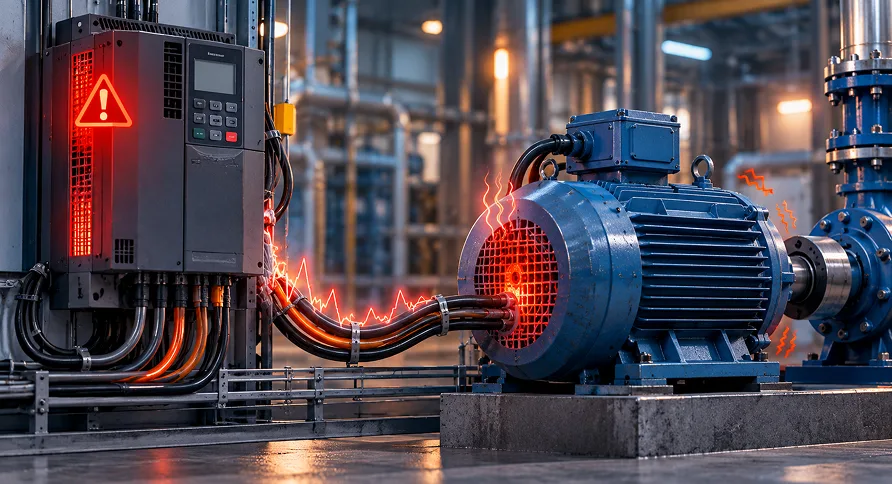


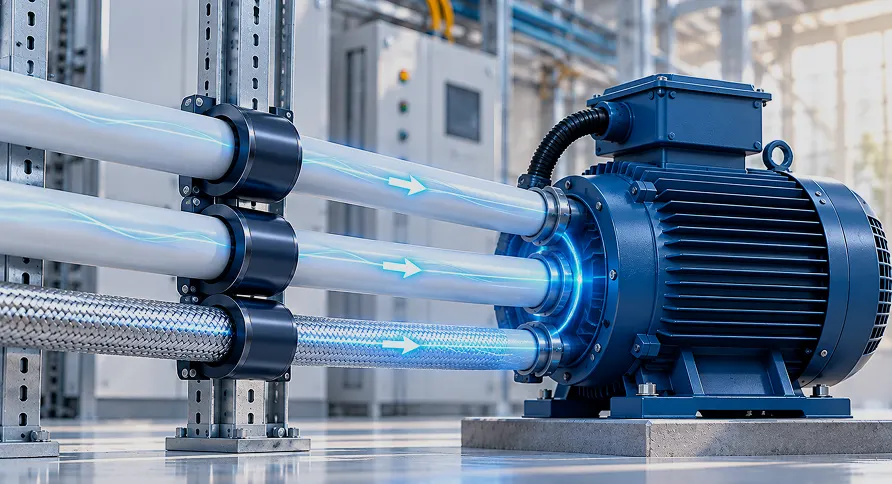
In today’s industrial world, success depends on more than just advanced machinery and automation. Behind every efficient production line, high-performance motor, and reliable control system is one critical factor that often goes unnoticed power quality.
As industries continue adopting Variable Frequency Drives (VFDs), automation systems, robotics, renewable energy technologies, and smart manufacturing practices, electrical systems are becoming increasingly complex. While these innovations improve productivity and energy efficiency, they also introduce electrical disturbances that can silently impact equipment performance.
Poor power quality is one of the leading causes of unexpected downtime, increased maintenance costs, and premature equipment failures. Understanding its impact is the first step toward building a more reliable and efficient industrial operation.
What Is Power Quality?
Power quality refers to how consistently and efficiently electrical power is delivered to connected equipment. A high-quality power supply provides stable voltage, frequency, and waveform while minimizing disturbances such as electrical noise, harmonics, voltage fluctuations, and electromagnetic interference (EMI).
When power quality deteriorates, even the most advanced industrial equipment can experience reduced performance and reliability.
Unlike mechanical failures, power quality issues are often invisible. Machines may continue operating while hidden electrical disturbances gradually increase stress on motors, drives, transformers, and automation systems.
Common Power Quality Issues
Several electrical conditions can affect industrial operations, including:
- Electrical noise generated by switching devices
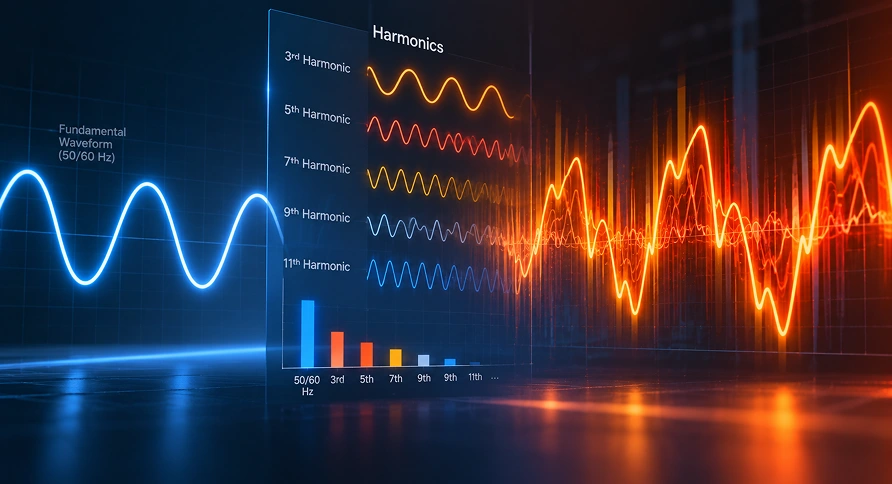
- Harmonic distortion from non-linear loads
- Voltage sags and surges
- Common-mode currents
- Electromagnetic interference (EMI)
- Voltage imbalance
- Poor grounding practices
These issues can develop gradually and may go unnoticed until they result in equipment failures or production interruptions.
How Poor Power Quality Affects Industrial Systems
The effects of poor power quality extend far beyond increased electricity consumption. It impacts the overall health and performance of an industrial facility.
Some of the most common consequences include:
Reduced Equipment Life
Motors, transformers, and electronic components exposed to electrical disturbances experience additional stress. Over time, this accelerates wear and shortens equipment lifespan.
Increased Downtime
Unexpected electrical disturbances can cause VFD trips, PLC communication failures, sensor errors, and production interruptions.
Even a few minutes of downtime can result in significant financial losses for high-volume manufacturing facilities.
Higher Maintenance Costs
Poor power quality often leads to repeated repairs and unnecessary component replacements.
Instead of solving the underlying electrical issue, maintenance teams may continue replacing bearings, motors, or drives while the root cause remains unresolved.
Lower Energy Efficiency
Electrical disturbances increase system losses, forcing equipment to consume more power to perform the same amount of work.
Improving power quality contributes directly to better energy efficiency and reduced operating costs.
Why Modern Industries Need Better Power Quality
Today’s industrial facilities rely on intelligent technologies that demand clean electrical power.
Applications such as:
- Automated production lines
- Robotics
- CNC machines
- Water treatment plants
- Renewable energy systems
- Data centers
- Food processing equipment
all require stable electrical conditions to operate efficiently.
As digital manufacturing continues to expand, maintaining good power quality becomes essential—not only for equipment protection but also for maintaining production consistency and product quality.
The Role of Advanced Engineering Solutions
Traditional protection devices such as circuit breakers and overload relays are designed to protect against short circuits and overloads. However, they are not intended to address high-frequency electrical disturbances generated by modern power electronics.
Advanced engineering solutions play an important role in improving industrial power quality.
Technologies such as NanoChokes are specifically engineered to reduce electrical noise, suppress common-mode currents, and improve the overall electrical environment in VFD-driven systems.
By minimizing unwanted electrical disturbances, these solutions help protect motors, improve automation reliability, and extend equipment life.
Benefits of Good Power Quality
Organizations that invest in power quality improvements often experience measurable operational benefits, including:
- Improved motor performance
- Longer equipment lifespan
- Reduced maintenance requirements
- Lower operating costs
- Improved energy efficiency
- Stable automation systems
- Fewer unexpected shutdowns
- Increased production reliability
Rather than constantly reacting to equipment failures, businesses can focus on productivity, quality, and long-term growth.
Building a Future-Ready Electrical System
Power quality should not be treated as an afterthought. It should be considered during system design, equipment selection, installation, and maintenance planning.
A future-ready industrial electrical system combines:
- High-quality electrical components
- Proper grounding and cable management
- Continuous power quality monitoring
- Preventive maintenance
- Advanced magnetic solutions for noise suppression
This proactive approach reduces operational risks while maximizing return on investment.
Conclusion
Power quality is one of the most important yet overlooked factors in industrial performance. While poor power quality often goes unnoticed, its effects can be seen in increased maintenance, reduced equipment life, higher energy costs, and unexpected downtime.
As industries continue embracing automation, electrification, and smart manufacturing, maintaining clean and stable electrical power becomes essential for sustainable growth.
Investing in power quality is not simply about protecting equipment it’s about improving reliability, maximizing productivity, and building a stronger foundation for future operations.
At NanoChokes, we help industries solve power quality challenges through advanced engineering solutions that reduce electrical noise, improve equipment performance, and enhance the reliability of VFD-driven systems.
Whether you’re upgrading an existing facility or planning a new installation, our team is ready to help you create a cleaner, smarter, and more efficient electrical infrastructure.