

Why Harmonics Matter and How to Protect Your Electrical Infrastructure
Modern industrial facilities rely heavily on Variable Frequency Drives (VFDs), PLCs, UPS systems, automation equipment, and renewable energy technologies to improve efficiency and productivity. While these technologies offer significant advantages, they also introduce harmonics into the electrical network. If left unmanaged, harmonics can reduce system efficiency, damage equipment, and increase maintenance costs.
What Are Harmonics?
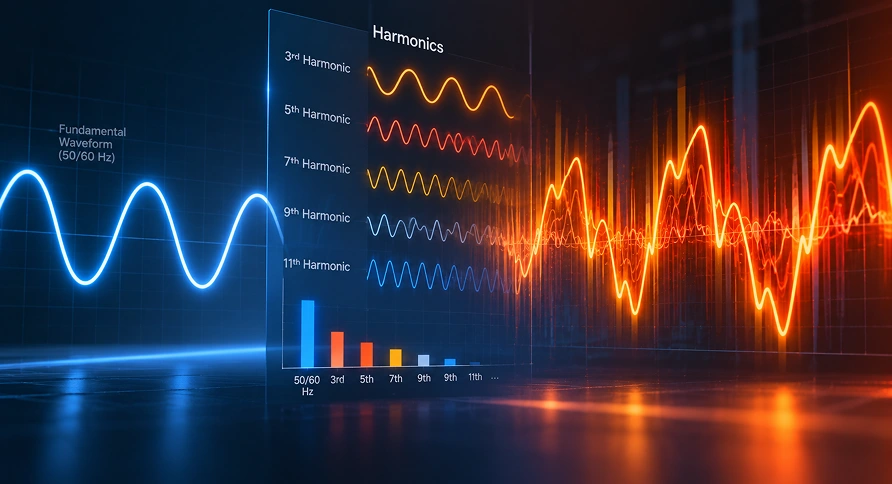
In a perfect electrical system, current and voltage flow in a smooth sinusoidal waveform at a fixed frequency (50 Hz or 60 Hz). Harmonics are unwanted frequencies that are multiples of the fundamental frequency, generated by non-linear electrical loads such as VFDs, rectifiers, inverters, and switched-mode power supplies.
These distorted waveforms interfere with the normal operation of electrical equipment, creating hidden stresses throughout the power system.
What Causes Harmonics?
Today’s industrial environments contain many devices that continuously generate harmonic currents, including:
- Variable Frequency Drives (VFDs)
- Solar and wind inverters
- UPS systems
- PLC-controlled machinery
- CNC machines
- LED lighting systems
- Battery charging systems
As more electronic equipment is connected to the grid, harmonic levels naturally increase, making power quality management more important than ever.
Effects of Harmonics
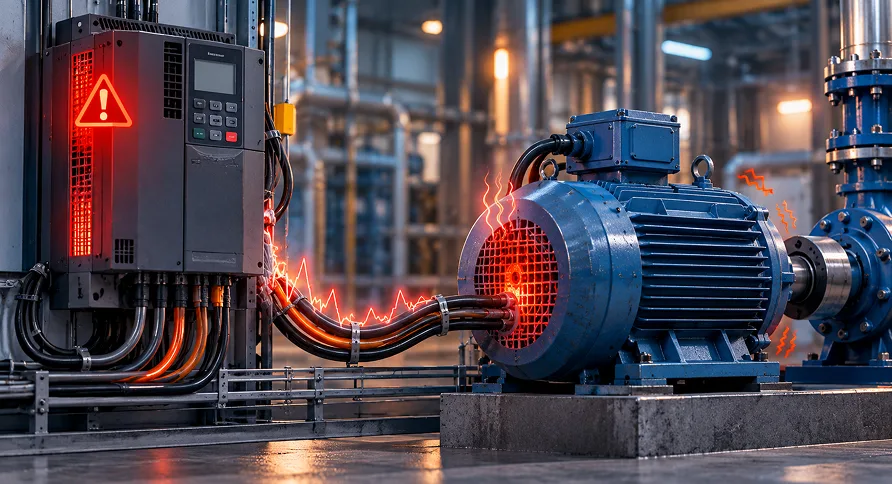
Although harmonics are invisible, their impact can be significant.
Common issues caused by excessive harmonics include:
- Overheating of transformers and motors
- Increased energy losses
- Nuisance tripping of protective devices
- Reduced power factor
- Cable overheating
- Premature equipment failure
- Poor motor performance
- Reduced equipment lifespan
In many cases, businesses continue replacing damaged equipment without realizing that harmonics are the root cause.
Why Harmonic Control Matters
Maintaining good power quality improves the overall reliability of industrial operations. By reducing harmonic distortion, industries can:
- Improve energy efficiency
- Extend equipment life
- Reduce maintenance costs
- Minimize unexpected downtime
- Enhance production reliability
- Improve overall system performance
A cleaner electrical system also supports better communication between automation devices and ensures stable operation of sensitive electronic equipment.
Engineering Solutions for Harmonic Reduction
Managing harmonics requires a combination of proper system design and advanced power quality solutions. Best practices include:
- Proper electrical system planning
- Correct cable sizing and grounding
- Harmonic analysis during system design
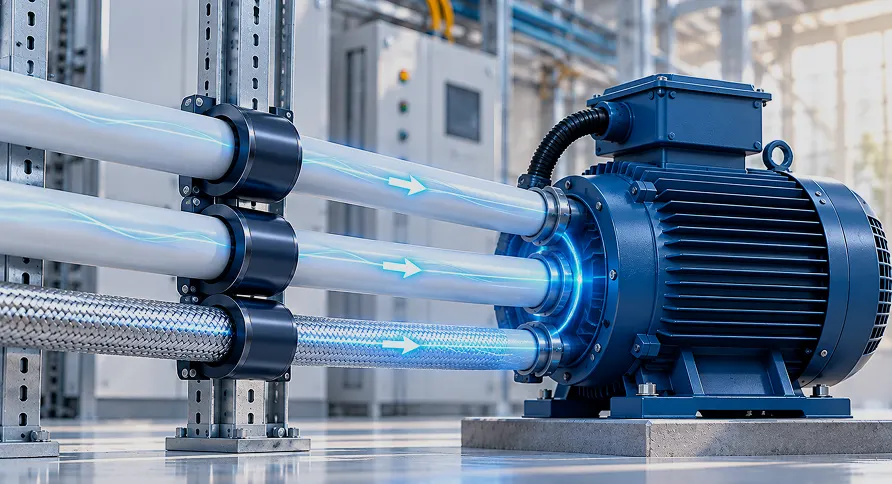
- High-quality filtering solutions
- Advanced magnetic technologies such as NanoChokes, which help reduce high-frequency electrical noise and improve overall power quality in VFD-driven systems.
Addressing harmonics early prevents long-term equipment damage and reduces operational costs.
Conclusion
As industries become increasingly automated, harmonics are no longer a minor electrical issue—they are a critical factor affecting reliability, efficiency, and equipment health. Understanding their causes and implementing the right engineering solutions can significantly improve system performance while reducing maintenance and downtime.
Investing in power quality today means protecting your equipment, improving productivity, and building a more reliable electrical infrastructure for the future.
Connect With NanoChokes
NanoChokes provides advanced power quality solutions designed to reduce electrical noise, improve system reliability, and support high-performance industrial operations.