

Modern industries depend on reliable electrical power more than ever before. Whether it’s a manufacturing plant, food processing facility, pharmaceutical unit, water treatment plant, or renewable energy installation, every operation relies on stable and efficient power to keep production moving.
Yet many industries unknowingly lose significant productivity due to poor power quality, electrical noise, harmonic distortion, voltage fluctuations, and inefficient power distribution. These issues often remain unnoticed until they lead to equipment failures, unexpected downtime, increased maintenance costs, and reduced operational efficiency.
Building an efficient industrial power system isn’t simply about installing larger transformers or upgrading electrical panels. It requires a comprehensive approach that combines intelligent system design, proper power conditioning, continuous monitoring, and preventive maintenance.
This article explores the essential principles behind efficient industrial power systems and how businesses can improve reliability while reducing operational costs.
Why Power System Efficiency Matters
Industrial power systems do much more than supply electricity.
They determine how efficiently motors operate, how accurately automation systems communicate, how reliably production lines function, and ultimately how profitable an operation becomes.
An inefficient power system can result in:
- Frequent equipment breakdowns
- Unexpected production interruptions
- Higher electricity consumption
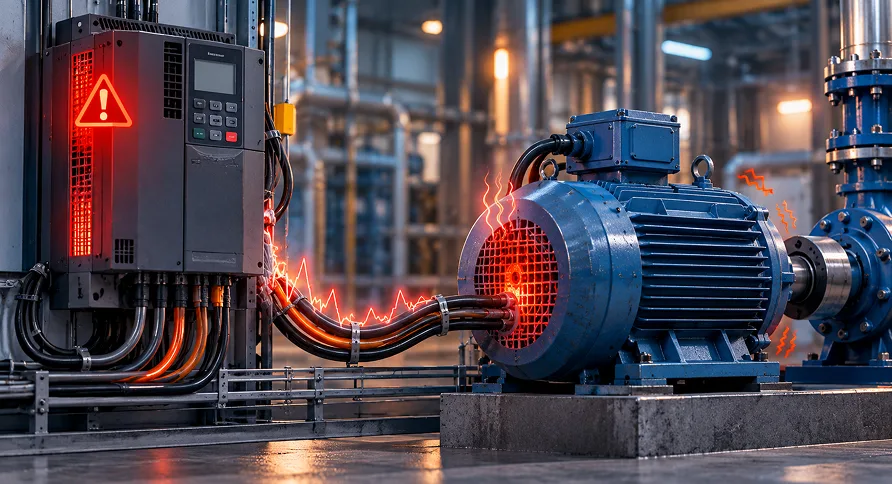
- Excessive motor heating
- Premature bearing failures
- PLC communication errors
- Increased maintenance expenses
- Reduced equipment lifespan
Although these issues may appear unrelated, they often originate from the same source—poor power quality.
Companies that focus only on repairing equipment without addressing electrical conditions often experience recurring failures, increasing both maintenance costs and production losses.
Common Challenges in Industrial Electrical Systems
Today’s industrial facilities use advanced equipment such as:
- Variable Frequency Drives (VFDs)
- Servo systems
- PLCs
- CNC machines
- Robotic automation
- Renewable energy inverters
- High-speed switching devices
While these technologies improve productivity and energy efficiency, they also introduce electrical disturbances into the system.
Some of the most common challenges include:
Electrical Noise
Switching devices generate high-frequency electrical noise that travels through cables and electrical equipment. This noise can interfere with control systems, sensors, communication networks, and motor performance.
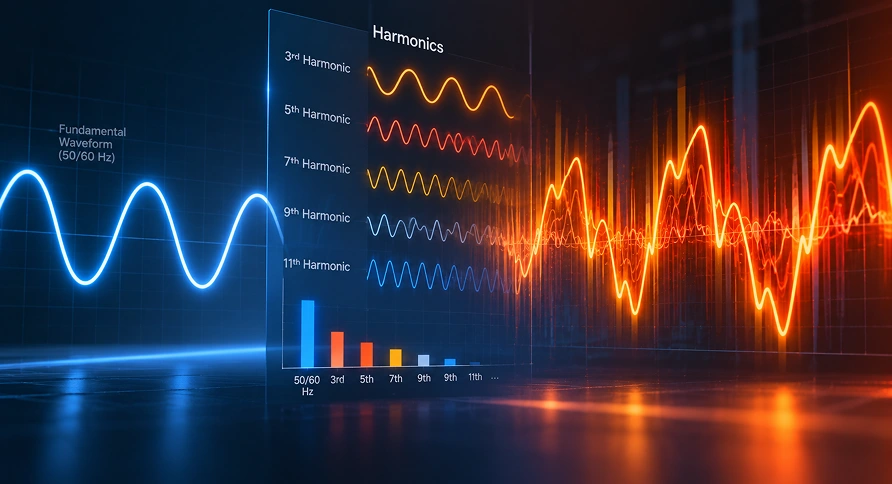
Harmonic Distortion
Non-linear loads draw distorted current from the electrical supply.
Harmonics increase transformer losses, overheat cables, reduce equipment efficiency, and shorten the life of electrical components.
Common-Mode Currents
Modern VFDs generate common-mode voltages that can create unwanted currents flowing through motor bearings.
These bearing currents eventually lead to pitting, fluting, vibration, excessive noise, and premature bearing failures.
Voltage Instability
Sudden voltage dips or fluctuations can interrupt production processes, reset PLCs, and damage sensitive electronic equipment.
Maintaining stable voltage levels is essential for continuous industrial operations.
Designing an Efficient Power System
An efficient industrial electrical system begins long before equipment is installed.
Proper planning reduces future maintenance while improving long-term reliability.
Choose High-Quality Equipment
Reliable motors, drives, transformers, switchgear, and protection devices form the foundation of an efficient electrical system.
Selecting equipment based solely on purchase price often leads to higher lifecycle costs.
Optimize Power Distribution
Proper cable sizing, balanced electrical loads, correct grounding, and well-designed distribution panels reduce energy losses while improving system stability.
Poor distribution design increases heating, voltage drops, and unnecessary energy consumption.
Minimize Electrical Noise
Modern facilities rely heavily on automation and digital communication.
Reducing electrical noise helps maintain accurate sensor readings, reliable PLC communication, and consistent equipment performance.
Power conditioning solutions such as NanoChokes are specifically engineered to suppress unwanted electrical disturbances before they affect critical equipment.
Improve Motor Performance
Electric motors account for a significant portion of industrial energy consumption.
Improving motor efficiency through better power quality directly reduces electricity costs while increasing equipment life.
Cleaner electrical power results in:
- Lower operating temperatures
- Reduced vibration
- Improved torque performance
- Longer bearing life
- Better overall efficiency
The Role of Power Quality
Power quality is often misunderstood as simply maintaining voltage.
In reality, it includes many factors:
- Harmonic distortion
- Voltage balance
- Frequency stability
- Electromagnetic interference (EMI)
- Common-mode currents
- Electrical noise
Poor power quality creates hidden stress throughout an electrical system.
Even when equipment appears to operate normally, excessive electrical disturbances continuously reduce efficiency and accelerate wear.
Improving power quality helps create a healthier electrical environment where every connected component performs more efficiently.
Why Preventive Engineering Is Better Than Reactive Maintenance
Many industrial facilities adopt a reactive maintenance approach.
Equipment fails.
Production stops.
Maintenance teams respond.
The equipment is repaired.
Production resumes.
Unfortunately, the underlying electrical issue often remains unresolved.
Weeks later, another failure occurs.
Preventive engineering takes a different approach.
Instead of waiting for failures, engineers identify and eliminate root causes before damage occurs.
This strategy significantly reduces:
- Emergency maintenance
- Spare parts inventory
- Production downtime
- Equipment replacement costs
Preventive electrical solutions consistently deliver higher returns than repeated repairs.
Advanced Engineering Solutions for Modern Industries
Today’s electrical infrastructure requires smarter solutions than traditional protection devices alone.
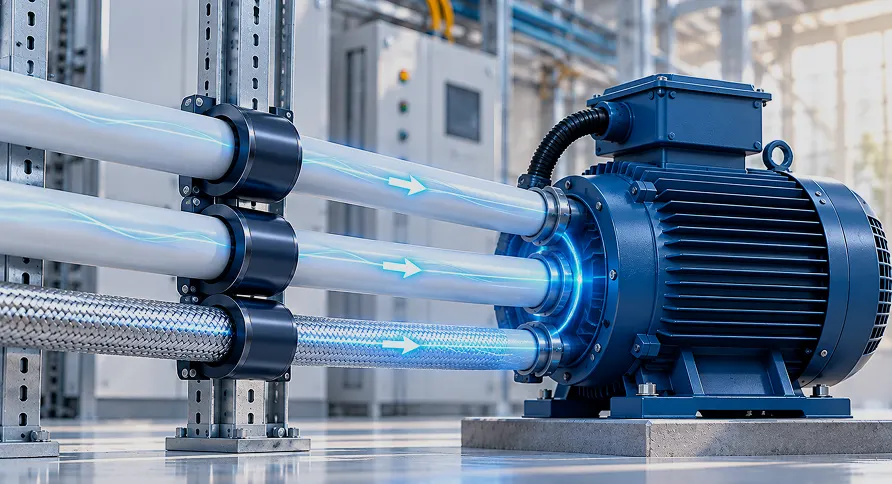
Advanced magnetic technologies such as NanoChokes help improve power quality by reducing:
- High-frequency electrical noise
- EMI interference
- Common-mode currents
- Bearing current damage
These solutions support cleaner electrical power while improving the overall reliability of VFD-driven systems.
When integrated correctly, they contribute to:
- Increased equipment availability
- Longer motor life
- Improved production stability
- Lower maintenance costs
- Higher operational efficiency
Industries That Benefit Most
Efficient power systems provide measurable advantages across many sectors.
Manufacturing
Stable electrical systems improve production consistency while reducing machine downtime.
Food & Beverage
Reliable power protects automated processing equipment and maintains uninterrupted operations.
Pharmaceutical
Clean electrical power ensures precision manufacturing while protecting sensitive control systems.
Water Treatment
Pumps, motors, and automation systems operate more efficiently with reduced electrical disturbances.
Renewable Energy
Solar and wind installations depend on high-quality electrical systems to maximize efficiency and protect inverter-based equipment.
Oil & Gas
Reliable power systems improve operational safety while reducing maintenance requirements in demanding environments.
Long-Term Benefits of Efficient Power Systems
Organizations that invest in electrical system optimization experience improvements beyond lower energy bills.
Benefits include:
- Improved equipment reliability
- Lower operating costs
- Increased production uptime
- Better process consistency
- Extended equipment lifespan
- Reduced maintenance expenses
- Enhanced workplace safety
- Higher return on investment
Rather than constantly reacting to failures, companies can focus on improving productivity and expanding operations.
Conclusion
Industrial power systems are the backbone of modern manufacturing and infrastructure.
As facilities become increasingly automated and electrically complex, maintaining excellent power quality becomes essential for long-term success.
Efficiency is not achieved by chance—it is built through intelligent engineering, proper system design, preventive maintenance, and advanced power quality solutions.
Reducing electrical noise, improving system stability, and protecting critical equipment helps industries operate more efficiently while lowering total ownership costs.
Reliable power is more than just uninterrupted electricity—it is the foundation of productivity, profitability, and sustainable industrial growth.
Connect with NanoChokes
At NanoChokes, we help industries improve power quality, reduce electrical noise, protect motors, minimize bearing currents, and enhance the reliability of VFD-driven systems.
Whether you’re upgrading an existing facility or designing a new electrical system, our engineering team can help you build a cleaner, smarter, and more efficient power infrastructure.