


Variable Frequency Drives (VFDs) have transformed modern industries by enabling precise motor speed control, reducing energy consumption, and improving operational efficiency. Today, they are widely used across manufacturing plants, water treatment facilities, HVAC systems, renewable energy installations, food processing units, oil & gas operations, and countless industrial applications.
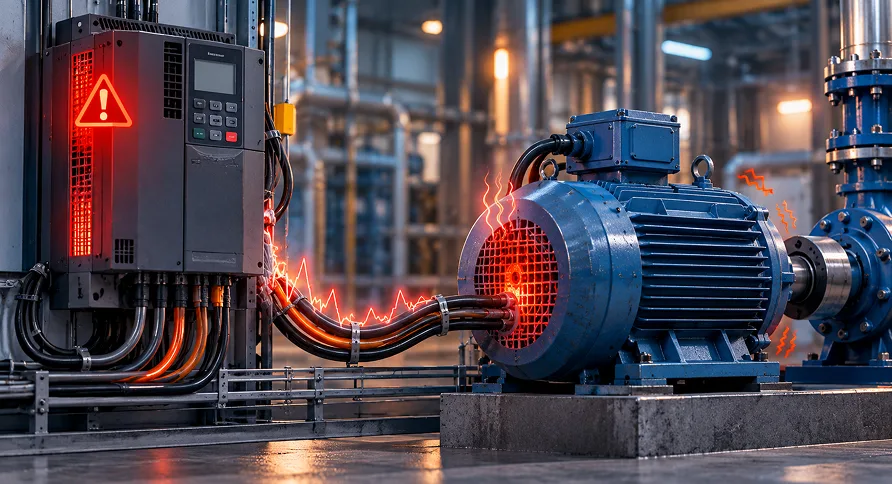
While VFDs deliver significant advantages, they also introduce electrical challenges that many facilities overlook. High-frequency switching, common-mode voltages, electromagnetic interference (EMI), and harmonic distortion can quietly affect motors, bearings, cables, sensors, and automation systems.
These issues often remain unnoticed until they result in frequent maintenance, unexpected downtime, or expensive equipment failures.
Protecting VFD systems requires more than installing a drive—it requires understanding the electrical environment in which the drive operates and implementing advanced engineering solutions that improve overall power quality.
Understanding Variable Frequency Drives
A Variable Frequency Drive controls the speed and torque of an AC motor by adjusting the frequency and voltage supplied to it.
Unlike traditional motor starters that operate motors at full speed, VFDs allow motors to run only at the speed required by the application.
This provides several benefits:
- Significant energy savings
- Improved process control
- Reduced mechanical stress
- Smooth motor starting
- Lower operating costs
- Increased production flexibility
However, these benefits come with one important trade-off.
The rapid switching performed by modern power electronics generates high-frequency electrical disturbances that travel throughout the electrical system.
Hidden Challenges Inside Every VFD System
Many engineers assume that if a motor is rotating correctly, the electrical system is healthy.
Unfortunately, this is not always true.
Several hidden electrical phenomena occur inside VFD-operated systems.
Electrical Noise
High-speed switching inside the inverter produces unwanted electrical noise.
This noise spreads through power cables, grounding systems, communication networks, and connected equipment.
Over time it may interfere with:
- PLC communication
- Industrial networks
- Sensors
- Encoders
- Instrumentation
- Control circuits
Although machines continue running, system reliability gradually decreases.
Common-Mode Voltages
Modern VFDs naturally generate common-mode voltages.
These voltages create unwanted electrical currents that seek the easiest return path.
In many cases, this path passes directly through motor bearings.
Repeated discharge through the bearing causes microscopic electrical damage.
Over time this develops into:
- Bearing pitting
- Fluting
- Excessive vibration
- Increased operating noise
- Premature bearing failure
Replacing bearings repeatedly without eliminating the electrical cause only delays future failures.
Harmonic Distortion
Non-linear switching devices introduce harmonic currents into the electrical network.
Excessive harmonics can:
- Overheat transformers
- Increase cable losses
- Reduce power factor
- Cause nuisance tripping
- Decrease overall system efficiency
Poor harmonic management ultimately increases operating costs.
Electromagnetic Interference (EMI)
Electromagnetic interference affects nearby electronic equipment.
Sensitive automation systems may experience:
- Communication errors
- False sensor signals
- PLC faults
- Random alarms
- Unexpected shutdowns
In highly automated facilities, even brief disturbances can interrupt production.
Why Traditional Protection Is Not Enough
Most electrical systems include protection devices such as:
- Circuit breakers
- MCCBs
- Fuses
- Overload relays
- Surge protection devices
These components are essential for protecting against overloads and short circuits.
However, they are not designed to eliminate:
- High-frequency electrical noise
- Common-mode currents
- Bearing discharge currents
- EMI generated by VFD switching
Modern electrical systems require solutions specifically engineered for today’s power electronics.
Advanced Engineering Solutions for VFD Protection
Improving VFD reliability begins with understanding the source of electrical disturbances and applying appropriate mitigation techniques.
Several engineering practices contribute to better performance.
Proper Grounding
Effective grounding reduces unwanted circulating currents and provides a controlled path for electrical disturbances.
Poor grounding often amplifies EMI problems.
Shielded Motor Cables
Shielded cables reduce radiated interference while improving electromagnetic compatibility.
Correct cable installation is equally important.
Optimized Cable Length
Excessively long motor cables increase reflected wave voltages and electrical stress on motor insulation.
Maintaining recommended cable lengths improves reliability.
Proper Panel Layout
Separating power cables from communication cables reduces electrical interference and improves automation stability.
A well-designed control panel minimizes coupling between sensitive circuits.
Advanced Magnetic Solutions
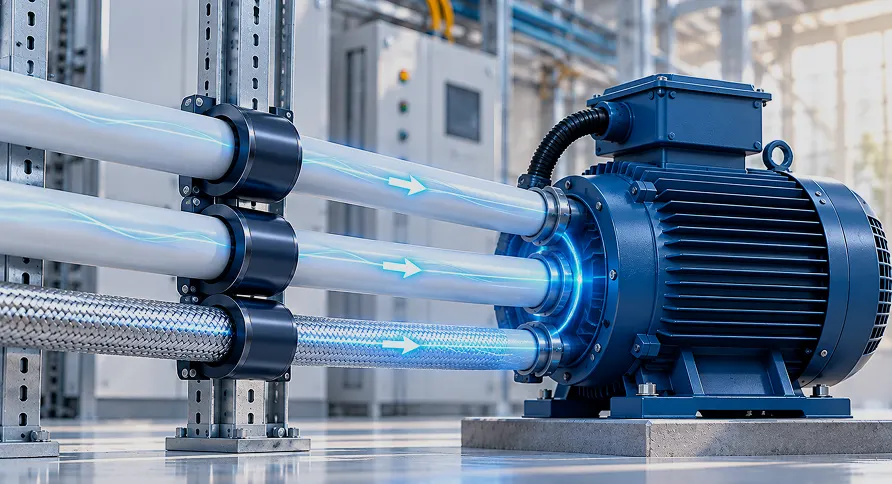
One of the most effective methods of reducing high-frequency electrical disturbances is the use of advanced magnetic technologies such as NanoChokes.
NanoChokes are engineered to suppress unwanted electrical noise, reduce common-mode currents, and improve power quality in VFD-driven systems.
Instead of treating symptoms, they help address the electrical root causes affecting motors and automation equipment.
Benefits of Using NanoChokes in VFD Systems
When integrated correctly into industrial installations, NanoChokes provide several important advantages.
Reduced Electrical Noise
Suppresses high-frequency switching noise generated by VFDs.
Lower Bearing Currents
Reduces common-mode current flowing through motor bearings, helping extend bearing life.
Improved EMI Performance
Helps reduce electromagnetic interference affecting nearby control systems.
Better Power Quality
Creates a cleaner electrical environment for motors, drives, PLCs, and automation equipment.
Increased Equipment Reliability
Stable electrical conditions reduce stress on critical components, improving long-term reliability.
Lower Maintenance Costs
Fewer electrical failures translate into reduced maintenance, lower spare parts usage, and less downtime.
Industries That Depend on Reliable VFD Systems
Advanced VFD protection is valuable across many industrial sectors.
Manufacturing
Production lines depend on continuous motor operation and reliable automation.
Water & Wastewater
Pumps, blowers, and treatment equipment rely heavily on VFD-controlled motors.
Renewable Energy
Solar and wind installations use multiple inverter-driven systems that require excellent power quality.
Food Processing
Stable motor performance supports consistent production and minimizes contamination risks caused by equipment failures.
Pharmaceutical Manufacturing
Precision automation demands clean electrical power for accurate process control.
Oil & Gas
Harsh operating environments require maximum reliability with minimal unexpected maintenance.
The Cost of Ignoring Electrical Disturbances
Many facilities focus on replacing failed components rather than addressing electrical conditions.
This approach often results in:
- Repeated bearing replacements
- Frequent motor failures
- Unplanned shutdowns
- Lost production
- Increased energy consumption
- Higher maintenance budgets
The actual cost is rarely the failed component itself.
The greatest expense is production downtime and lost operational efficiency.
Preventing failures is almost always more economical than repairing them.
Building Smarter Electrical Systems
Industrial automation continues to evolve.
As more facilities adopt Industry 4.0 technologies, robotics, intelligent drives, renewable energy, and digital manufacturing, maintaining high-quality electrical power becomes increasingly important.
Reliable systems are built through:
- Intelligent electrical design
- Quality components
- Continuous monitoring
- Preventive engineering
- Advanced power conditioning
Organizations that invest in these practices experience higher equipment availability, longer asset life, and improved operational performance.
Conclusion
Variable Frequency Drives have become essential for modern industrial operations, delivering improved efficiency, precise motor control, and lower energy consumption.
However, the same technology that improves productivity also introduces electrical disturbances that can silently reduce system reliability.
Protecting VFD systems requires more than conventional electrical protection. It demands a comprehensive approach that addresses electrical noise, EMI, harmonics, and common-mode currents before they cause damage.
Advanced engineering solutions such as NanoChokes help industries create cleaner electrical environments, protect valuable equipment, reduce maintenance costs, and maximize long-term performance.
The most reliable industrial systems are not those that experience fewer failures by chance—they are the systems designed to prevent failures from occurring in the first place.
Connect with NanoChokes
At NanoChokes, we specialize in advanced power quality solutions that help industries protect VFD-driven systems, reduce electrical noise, minimize bearing currents, and improve overall equipment reliability.
Whether you’re upgrading an existing installation or designing a new electrical infrastructure, our engineering team is ready to help.